Credit and Debt Cards United Bank (West Virginia) in USA




Credit and Debit Cards
In a world where every transaction, reward and financial decision counts, choosing the right card is more than convenience — it is a strategic move that can protect your money, maximize benefits and simplify your life. This catalog section is dedicated to credit and debit cards: practical plastic and digital solutions that suit daily expenses, international travel, business needs and long-term financial planning. Whether you are seeking zero-fee debit convenience, a high-reward credit card for travel, or a business card that separates personal and company spending, here you will find clear descriptions, side-by-side comparisons and guidance to help you make an informed choice.
What you’ll find in this section
- Product overviews: concise profiles for each card type highlighting core features like interest rates, reward structures, fees and eligibility requirements.
- Use-case categories: cards grouped by primary purpose — everyday debit, travel rewards, cashback, balance transfer, business expense management and secured credit for rebuilding credit history.
- Comparative tables: side-by-side comparisons that make it easy to weigh APRs, annual fees, foreign transaction fees, introductory offers and core protections.
- Security and protections: explanations of fraud liability limits, card controls, EMV/NFC technology and digital wallet compatibility.
- Practical tips: application checklists, best practices for building credit, and strategies to avoid common fees and penalties.
Credit vs Debit
Understanding the difference between credit and debit cards is foundational. Debit cards draw funds directly from your checking account and are ideal for budgeting and everyday purchases without building outstanding balances. Credit cards extend a line of credit that can boost purchasing power and provide richer protections, such as extended warranties, purchase protection, travel insurance and dispute resolution. If managed responsibly, credit cards also help build a credit score that unlocks loans with better terms. This catalog surfaces both types and clarifies where each excels.
Key features to compare
Not all cards are created equal. When exploring options, focus on the features that most affect your wallet and lifestyle:
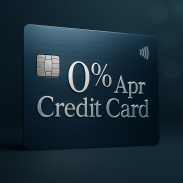
- Annual Percentage Rate (APR): critical for credit cards if you carry a balance; look for low APRs or introductory 0% offer periods for balance transfers.
- Annual fee: some premium cards charge for superior rewards and perks; evaluate whether the benefits exceed the cost.
- Rewards and redemption: cashback, points, and miles — compare earn rates, category bonuses and redemption flexibility.
- Foreign transaction fees: essential for travelers — cards without these fees save money on international purchases.
- Introductory offers: sign-up bonuses, 0% APR periods and balance transfer promotions can provide short-term value.
- Security features: zero-liability policies, EMV chips, contactless payments, tokenization and real-time transaction alerts.
- Credit-building and eligibility: secured cards and starter cards for those with limited or rebuilding credit, and minimum income or credit score requirements for premium products.
How to pick the right card
- Assess your spending habits: travel often, dine out frequently, or stick to essentials? Match earn categories to where you spend most.
- Prioritize goals: build credit, avoid monthly interest, earn maximum reward value, or minimize fees?
- Compare total cost vs. benefit: annual fees vs perks, APR vs balance size, and foreign fees vs travel plans.
- Check acceptance: ensure the card network (Visa, Mastercard, American Express, Discover) is widely accepted where you shop or travel.
- Review protections: look for purchase protection, extended warranty coverage and travel assistance if you travel internationally.
- Read the fine print: penalty APR triggers, balance transfer fees, and conditions for earning or redeeming rewards.
Rewards programs
Rewards can significantly reduce net spending when used wisely. Cashback is straightforward — a percentage back on purchases — while points and miles usually offer greater upside for travel redemptions. Consider cards that align bonus categories with your lifestyle (groceries, gas, dining, travel). Also pay attention to partner networks, transfer partners for airline and hotel loyalty programs, and blackout date rules for award travel. For many users, combining a high-reward credit card for major purchases with a fee-free debit card for daily small expenses provides balance between benefits and discipline.
Security and fraud prevention
Card security is a top priority in this catalog. We highlight cards with robust protections: EMV chip technology, contactless tap-to-pay, instant card lock via mobile apps, real-time spending alerts, and zero-liability policies that protect you from unauthorized transactions. Additionally, cards that support digital wallets (Apple Pay, Google Pay, Samsung Pay) add a layer of tokenization that keeps your actual card number off merchant systems. For high-risk situations like travel or online shopping, take advantage of temporary virtual card numbers and multi-factor authentication where available.
Managing credit wisely
Responsible credit management is the key to unlocking long-term financial benefits. Use credit cards to build history by paying statements in full whenever possible, keeping utilization low (under 30% of your limit), and monitoring your credit report regularly. If you must carry a balance, prioritize cards with the lowest APR and consider balance transfers to introductory 0% APR cards, but be mindful of transfer fees. For businesses, separate corporate cards simplify bookkeeping, reduce fraud exposure to personal accounts and can streamline expense management and employee spending controls.
Fees to watch
Fees can erode card value quickly. Typical fees include annual fees, late payment penalties, cash advance fees, balance transfer fees and foreign transaction fees. Some debit cards add fees for out-of-network ATM use. We flag these costs in each product entry and provide recommendations for avoiding them: enroll in autopay to prevent late fees, choose a card without foreign transaction fees for travel, and use fee-free ATMs or bank networks when possible.
Specialized cards and services
This catalog includes cards tailored to specific needs:
- Student cards: designed for limited credit histories with educational perks and easier approval criteria.
- Secured cards: require a refundable deposit and are ideal for credit rebuilding.
- Business cards: offer expense controls, higher credit limits, employee cards and integration with accounting tools.
- Travel cards: include airport lounge access, travel insurance, and elevated points for travel purchases.
- Premium cards: provide concierge services, elite travel benefits and extensive protections for an annual fee.
Application tips
Apply strategically: multiple hard inquiries can affect your credit score, so choose the best-fit card before applying. Pre-qualification checks offered by many issuers use soft inquiries and help gauge approval odds without impacting credit scores. Gather documents — proof of identity, income, and residence — and review minimum eligibility requirements. If denied, request a reconsideration or ask the issuer for reasons and guidance on how to improve approval chances.
Frequently asked questions
- Can debit cards help build credit?
- Typically no, unless linked to a credit-builder program or reported by the bank; credit cards are the primary tool for establishing credit history.
- Is it better to carry a balance to improve my credit score?
- No — paying in full and maintaining a low utilization ratio are healthier ways to build and maintain a good score.
- How do rewards points expire?
- Expiration policies vary. Some points never expire while others lapse after inactivity. We include expiry terms in each card’s details.
Make the choice that fits your life
This catalog section is designed to be a practical resource — clear, actionable and focused on real-life outcomes. Use the filters to match cards to your priorities: low cost, high rewards, international travel, credit building or business management. Compare APRs, fees and protections, read user reviews and issuer terms, and choose the card that supports both your immediate needs and long-term financial health. When used intelligently, credit and debit cards are powerful tools that deliver convenience, security and value — start exploring and find the card that makes sense for you.
Ready to browse? Use the sorting tools to compare rewards, fees and protections — and discover offers tailored to your lifestyle. If you need personalized guidance, our product notes and comparison aids will help you narrow options quickly and confidently.