Debit Card Citizens Financial Group in USA
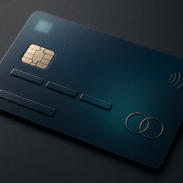
Debit Cards
Debit cards provide immediate access to money in your checking or savings account, enabling in-store purchases, ATM withdrawals and online payments without borrowing or interest. Built for everyday banking, modern debit cards combine convenience with layers of fraud protection.
How a Debit Card Works
A debit card is directly linked to your bank account and deducts funds at the point of sale or ATM. Transactions post in real time or shortly after, so your available balance reflects spending quickly. This instant deduction helps prevent overspending and simplifies budgeting since you use existing funds rather than credit.
Key Features: Contactless Payments, EMV Security & More
- Immediate access to funds: Payments and transfers are debited from your account balance as purchases are made.
- ATM withdrawals: Withdraw cash at home or abroad; transactions are usually protected by a PIN and receipts for record-keeping.
- EMV security: Most cards include an EMV chip that reduces skimming and counterfeit fraud compared with magnetic stripes.
- Contactless payments: Tap-to-pay speeds up small purchases and works with NFC-based mobile wallet services like Apple Pay, Google Pay and Samsung Pay.
- Global acceptance: Debit cards tied to networks such as Visa, Mastercard or Maestro are accepted at millions of merchants worldwide.
Main Benefits for Everyday Banking
Debit cards are ideal for routine expenses because they avoid interest charges and promote better spending discipline. Typical advantages include:
- No interest on purchases since you use your own money.
- Clearer control over cash flow and easier budgeting.
- Instant alerts and bank-side monitoring to help detect fraudulent activity.
- Convenience for bills, groceries, subscriptions and quick online purchases.
Types of Debit Cards to Consider
Pick the card that aligns with your lifestyle and financial needs:
- Standard bank debit cards: Linked to a checking or current account for daily use.
- Prepaid debit cards: Preloaded with funds and not always linked to a bank account — useful for travel, gifting or budgeting controls.
- Student debit cards: Designed with lower fees and educational tools to help younger holders manage money responsibly.
- Business debit cards: Meant for companies to manage routine expenses and to track employee spending.
Security and Fraud Protection
Strong security is central to modern debit card use. Key protections include:
- EMV chip and PIN: Chip-based transactions are far less vulnerable to cloning than magnetic stripe transactions.
- CVV & encrypted channels: Online purchases require verification codes and travel over encrypted connections.
- Tokenization in mobile wallets: When you add a card to a mobile wallet, the actual card number is replaced with a token, reducing exposure during contactless or NFC payments.
- Real-time monitoring: Banks often use automated systems to flag unusual activity and send instant alerts so you can freeze the card quickly.
For better protection enable two-factor authentication on your banking app, set transaction limits where possible and register your debit card with a secure mobile wallet.
Fees, Limits and Cost Considerations
Although debit cards avoid interest charges, they may still carry fees. Common costs to check before choosing a card:
- ATM withdrawal fees — from your bank or out-of-network terminals.
- Foreign transaction or currency conversion fees for overseas purchases.
- Monthly maintenance or account service charges.
- Overdraft fees if you opt into overdraft protection and your balance is insufficient.
Many banks waive certain fees when accounts meet minimum balance or direct deposit requirements. Always review the fee schedule and available ATM partnerships before you commit.
How to Choose the Right Debit Card
Match card features to how you spend and travel:
- For frequent travelers: prioritize cards with low or no foreign transaction fees and a broad ATM network.
- For parents and students: look for low-fee accounts, parental controls and simple mobile management.
- For businesses: choose cards that integrate expense controls, receipt capture and reporting tools.
- Always seek protections like zero-liability policies, easy dispute resolution and fraud monitoring.
Also consider digital conveniences such as instant card locking, categorized spending reports, mobile check deposit and integrated peer-to-peer payments — these features can improve everyday banking efficiency.
Practical Tips for Safe Use
- Enable transaction alerts to detect and respond to unauthorized charges quickly.
- Use contactless or mobile-wallet payments for small purchases to reduce wear on the physical card.
- Keep your PIN private and update online banking passwords regularly.
- Notify your bank before traveling internationally to avoid declined transactions.
- Consider a secondary or prepaid card for higher-risk online marketplaces or unknown vendors.
Debit Card vs. Credit Card
Debit cards withdraw from funds you already have, which helps avoid interest and maintain tight budget control. Credit cards extend borrowed funds, often include purchase protections and rewards, but can incur interest if balances are not paid in full. Use debit cards for everyday spending and immediate payments; reserve credit cards for larger purchases, travel reservations and situations where additional purchase protection or rewards are important.
Final Thoughts
Debit cards remain one of the most practical tools for everyday banking: they offer fast contactless payments, straightforward ATM withdrawals and powerful EMV security and fraud protection when paired with modern bank monitoring and mobile wallets. Compare fees, acceptance, security features and digital tools to choose the debit card that best supports your financial routine.