Prepaid Card EverBank in USA
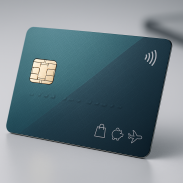
Prepaid Card
Prepaid cards combine the convenience of card payments with the safety and discipline of preset balances. Whether you need a physical card for everyday use, a virtual prepaid card for online subscriptions, or a travel prepaid card for overseas spending, prepaid solutions offer predictable costs and strong control.
What is a prepaid card?
A prepaid card is a payment card loaded with funds in advance and used until the stored balance is exhausted. Functioning similarly to debit cards at the point of sale, prepaid cards do not draw on a bank account or credit line. This makes them useful for people who want to avoid overdrafts, protect their primary accounts, or control spending tightly. Issuers frequently provide instant issuance of virtual prepaid cards and rapid delivery of physical cards without credit checks, making them accessible for individuals and businesses.
Who benefits from a prepaid card?
- Individuals: Control everyday spending without linking main bank accounts or using credit.
- Parents: Provide children or students with limited funds and easy monitoring.
- Travelers: Use a travel prepaid card to manage foreign expenses and reduce the risk of carrying cash.
- Small businesses: Issue cards to employees for travel, petty cash, or project budgets to streamline reimbursements.
- Gift givers: Offer flexible presents that can be spent where the recipient prefers.
Key advantages of prepaid cards
- Budget control: Load only the amount you intend to spend to avoid unexpected debt.
- Improved security: Keep your primary account details private; virtual prepaid cards can generate disposable numbers for single-use transactions.
- No credit required: Many prepaid products do not require credit checks or lengthy approvals.
- Fast access: Instant virtual cards and quick physical delivery make prepaid cards convenient for immediate needs.
- Wide acceptance: Most operate on major card networks and work where those networks are accepted.
Types of prepaid cards — choose what fits
Selecting the right prepaid card depends on how you plan to use it. Common options include:
- General-purpose reloadable (GPR) cards: Reusable cards for day-to-day spending, reloadable via bank transfer, direct deposit, or cash.
- Single-use and gift cards: Preloaded for a one-time budget or gift; ideal for promotions or presents.
- Travel prepaid cards: Support multiple currencies, help manage foreign spending, and sometimes lock exchange rates to control costs abroad.
- Virtual prepaid cards: Built for online transactions and subscriptions; many provide disposable card numbers to reduce fraud risk.
- Payroll and corporate cards: Designed for employer payments, allowances, and controlled project spending without cash handling.
Security and fees — watch the fine print
Prepaid cards are generally secure, but protections and fees differ between providers. Before choosing a card, carefully review:
- Activation, reload and monthly maintenance fees
- ATM withdrawal charges and foreign transaction fees
- Inactivity, balance-check and account-closure fees
- Fraud protection, PIN security and card replacement policies
- Emergency support and dispute resolution options for merchants and travel incidents
Prefer providers that give clear fee disclosures and proactive fraud monitoring, plus responsive customer support.
How to pick the best prepaid card
Follow this checklist to match a prepaid product to your needs:
- Define the primary purpose: budgeting, travel, gifting, payroll, or online purchases.
- Compare fees and reload methods: low-cost reloads and free top-up locations reduce overall cost.
- Check acceptance: ensure the card is accepted by merchants and ATMs where you plan to use it.
- Assess security features: EMV/chip, two-factor authentication, real-time alerts, and disposable virtual numbers increase safety.
- Review limits: daily spend, reload caps and ATM withdrawal limits should suit your habits.
Practical tips for everyday use
- Register your card with the issuer to enable recovery and protect your balance if lost or stolen.
- Keep a small buffer on the card to avoid declined transactions for incidental charges such as tips or taxes.
- Use a virtual prepaid card for subscriptions or trial services to prevent unwanted renewals and protect primary payment methods.
- Monitor transactions via the provider’s app or online portal; enable alerts to quickly detect suspicious activity.
Practical scenarios
Examples of common uses:
- A freelancer receives a payroll prepaid card to separate business earnings from personal accounts.
- Parents load a card monthly for a college student and check the transaction history remotely.
- A traveler deposits funds onto a travel prepaid card to manage spending across multiple currencies and avoid large cash withdrawals abroad.
Final thought
Prepaid cards are a flexible, controlled way to manage money for both individuals and companies. By understanding the different card types, comparing fees and security measures, and choosing a reputable provider, a prepaid card can serve as an effective tool for budgeting, safe online payments, corporate spending, and travel.