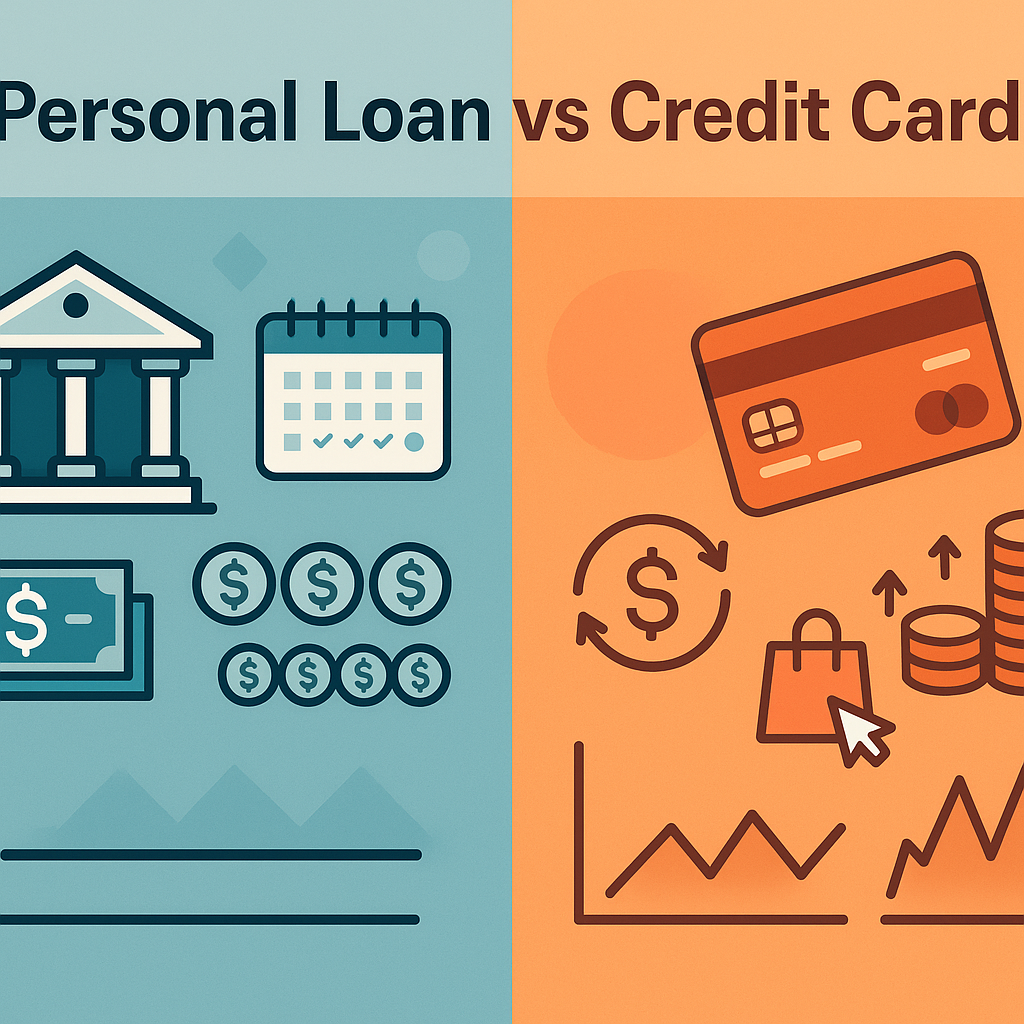
Personal Loan vs Credit Card in Pinnacle Bancorp
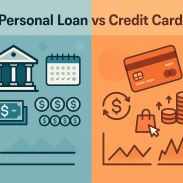
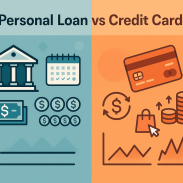
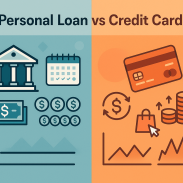
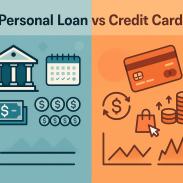
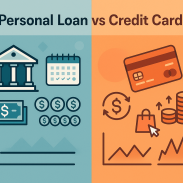
Personal Loan vs Credit Card at Pinnacle Bancorp: A Practical Comparison
Choosing between a personal loan and a credit card is a common decision for consumers looking to finance purchases, consolidate debt, or manage cash flow. For customers of Pinnacle Bancorp, both options may be available, each with distinct features, costs, and usage patterns. This guide outlines the primary differences, typical advantages and disadvantages of each product type, and practical decision-making criteria to help determine which option better fits specific financial goals.
Overview of the Two Products
Personal loans are generally installment loans: a fixed principal amount is borrowed and repaid over a predetermined term through equal monthly payments. Credit cards provide revolving credit: a credit limit is extended to the cardholder, who may borrow up to that limit, repay, and borrow again without reapplying, subject to terms.
Key Differences
- Structure: Personal loans — lump-sum disbursement and fixed repayment schedule. Credit cards — ongoing access to credit with minimum monthly payments and a variable balance.
- Interest rates: Personal loans often have fixed rates, providing predictable payments. Credit card APRs are frequently variable and can be higher, especially for unsecured cards.
- Term: Personal loans have a defined term (e.g., 2–7 years). Credit cards have no set payoff timeline; balances can carry indefinitely if minimum payments are made.
- Purpose and limits: Personal loans commonly finance larger, one-time expenses or consolidate debt. Credit cards are better suited for everyday purchases, short-term borrowing, and purchases that benefit from card protections or rewards.
- Repayment predictability: Fixed monthly payments on loans make budgeting simpler; credit card payments can fluctuate based on balance and interest accrual.
When a Personal Loan Is the Better Choice
- You need a larger sum for a specific purpose (home improvement, medical expenses, major purchase) and want predictable payments.
- Debt consolidation is the goal — moving high-interest revolving balances into a single installment loan can lower interest and simplify repayment if the loan rate and term are favorable.
- Planning to pay off debt over a defined timeframe to build credit by demonstrating on-time installment payments.
- Prefer a fixed interest rate to avoid the uncertainty of variable APR changes.
When a Credit Card Is Preferable
- Need flexible, ongoing access to credit for small or variable purchases.
- Taking advantage of rewards, cash back, or promotional offers such as 0% introductory APR periods for purchases or balance transfers (subject to card terms and eligibility).
- Want short-term borrowing and the ability to pay off the balance quickly to avoid interest charges, particularly when a grace period applies.
- Require purchase protections, extended warranties, or travel benefits that are bundled with certain card products.
Costs and Interest Considerations
Comparing the total cost of borrowing is essential. Personal loans often offer lower APRs than unsecured credit cards, especially for borrowers with strong credit, which can translate to lower total interest over the life of the loan. Credit cards, while convenient, can carry higher APRs that make prolonged balances expensive.
For both products, attention should be paid to fees: origination fees or prepayment penalties for loans, and annual fees, balance transfer fees, cash advance fees, and late payment fees for cards. The effective cost depends on borrowing behavior — short-term, paid-in-full card use can be inexpensive, while carrying a long-term card balance can be costly.
Impact on Credit and Approval Factors
Both product types affect credit scores but in different ways. A personal loan increases installment loan mix and, if paid responsibly, can positively impact credit history. A new loan initially produces a hard inquiry and may reduce average account age, but consistent payments help over time.
Credit cards influence credit utilization ratio; keeping utilization low supports better credit scores. Opening a new credit card may temporarily lower average account age but can increase available credit, potentially improving utilization metrics.
Approval considerations at a financial institution like Pinnacle Bancorp typically include credit history, income, debt-to-income ratio, employment stability, and existing relationship with the bank. Specific underwriting criteria vary by product and applicant.
Practical Use Cases and Examples
- Home improvement: A personal loan may be preferable for large, planned projects where a fixed budget and predictable repayment are desired.
- Emergency expense: A credit card may provide immediate access to funds, particularly when speed is essential and repayment is expected soon.
- Debt consolidation: A personal loan can consolidate multiple credit card balances into one fixed monthly payment, potentially at a lower rate.
- Travel and rewards: A credit card that offers travel protections or rewards can be advantageous for frequent travelers who pay balances in full monthly.
Tips for Deciding
- Estimate the total cost: calculate expected interest and fees over the anticipated payoff period for both options.
- Assess repayment discipline: choose a loan if a fixed plan helps avoid prolonged debt; choose a card if confident in short-term repayment and desired benefits.
- Consider the purpose: use installment loans for defined uses and cards for flexibility or benefits that offset costs.
- Review account terms carefully: compare rate types, fees, penalties, and any promotional conditions.
- Factor in credit impact: consider which option supports long-term credit goals best based on utilization and account mix.
Pros and Cons Summary
Personal Loan Pros: Predictable payments, often lower fixed rates, structured payoff, good for consolidation. Cons: Less flexible access to funds once disbursed, possible origination or prepayment penalties.
Credit Card Pros: Revolving access, rewards and protections, convenient for everyday use, often promotional offers. Cons: Potentially higher APRs, variable payments, risk of prolonged high-cost debt if balances are not managed.
Final Considerations for Pinnacle Bancorp Customers
Choosing between a personal loan and a credit card depends on the amount needed, repayment plan, tolerance for variable interest, and desired benefits. For one-time, larger expenses or debt consolidation, a personal loan may provide cost savings and predictability. For ongoing purchases, short-term borrowing, or rewards-driven spending, a credit card may be more appropriate.
Careful comparison of product terms, fees, and personal financial behavior will help determine which option aligns with objectives. Evaluate hypothetical scenarios using estimated rates and timelines to compare total cost and monthly obligations, and select the product that matches both financial goals and repayment capacity.
Making an informed choice supports financial stability and helps maximize the benefits of the credit or loan product selected.
Address Bank: Omaha, Nebraska, USA
Bank: Pinnacle Bancorp
Headquarters: Omaha, Nebraska
Products: Personal Loans
Type: Personal Loan V Credit Card


Banks2go — A Comprehensive Marketplace for Financial and Insurance Services
Banks2go is a user-friendly marketplace that helps you discover, compare, and apply for banking and insurance products in one place. Whether you’re building credit, opening a business account, or shopping for auto insurance, Banks2go brings together transparent information, smart tools, and trusted partners to make selection simple and fast.
Banking Products
Credit Cards- Compare a wide range of cards across APRs, intro 0% APR periods, rewards structures (cash back, travel miles, transferable points), welcome bonuses, balance transfer terms, foreign transaction fees, and penalty rates.
- Filter by your goals—everyday cash back, premium travel, no-annual-fee, balance transfer, or credit building—and see estimated value based on your spending profile.
- Get instant prequalification checks with no impact to your credit score, complete secure online applications in minutes, and track application status in real time.
- See key terms clearly explained: grace periods, minimum payments, credit limits, authorized user rules, and redemption options (statement credit, travel portals, partner transfers).
- Access educational guidance on responsible credit use, utilization ratios, and how on-time payments can strengthen your credit over time.
- Compare business accounts side-by-side on monthly maintenance fees, minimum balance requirements, included free transactions, ACH and wire pricing, cash deposit limits, ATM access, and treasury features.
- Explore value-added services like merchant processing, virtual cards, integrated invoicing, and expense management.
- Onboard quickly online for LLCs, corporations, and sole proprietors with clear documentation checklists and guided KYC/AML steps.
- Connect your account to popular accounting and finance tools (e.g., QuickBooks, Xero) for streamlined reconciliation, payroll, and tax prep.
- View specialized options for startups, freelancers, and nonprofits, including accounts with no or low fees and scalable limits as your business grows.
- Find student-friendly cards with no or low annual fees, simple rewards, spending controls, and features designed to build credit responsibly.
- Get clear eligibility guidance for both domestic and international students, including SSN/ITIN requirements and income verification tips.
- Learn about security deposits for secured cards, credit limit increases with good behavior, and tools that help track spending and avoid late fees.
- Access resources on establishing credit from scratch, protecting your score, and using student benefits like streaming or transit rewards.
Insurance
Auto Insurance- Compare quotes from top-rated national and regional carriers across states, with coverage options that include liability, collision, comprehensive, uninsured/underinsured motorist, roadside assistance, and rental reimbursement.
- Customize deductibles and limits and see how changes affect your monthly premium in real time.
- Explore common discounts—safe driver, multi-policy, good student, usage-based/telematics, multi-vehicle—and understand eligibility criteria.
- Bind e-policies in minutes with digital ID cards and flexible payment options (monthly, quarterly, semi-annual).
- Access plain-English explanations of state minimums, gap insurance for financed vehicles, and when it makes sense to add or drop coverage types.
Easy Selection
Smart Filtering and Personalization- Use dynamic filters and guided questionnaires to surface recommendations based on your financial profile, risk tolerance, and specific goals (e.g., pay down debt, earn travel rewards, reduce fees).
- Compare key terms side-by-side—rates, fees, limits, perks, coverage details, and exclusions—so trade-offs are obvious and transparent.
- Read concise summaries and detailed breakdowns in plain English, with highlight callouts for gotchas like deferred interest, balance transfer fees, or coverage gaps.
Wide Catalog
Broad, Up-to-Date Network- Access a wide network of U.S. banks, credit unions, fintechs, and national insurers—all in one place—so you don’t need to visit branches or spend hours on phone calls.
- See current promotions, limited-time offers, and partner deals aggregated and refreshed regularly, with clear eligibility and expiration details.
- Benefit from standardized comparisons that make complex products easy to understand and evaluate.
Why Banks2go
- Speed and Transparency: From prequalification to application and policy binding, steps are consolidated and clearly explained.
- Education Built In: Bite-sized guides and checklists help you make confident decisions without financial jargon.
- Secure and Privacy-Conscious: Application flows follow industry-standard security protocols, and prequalification tools avoid hard credit pulls unless you opt to apply.
Choose what you need
 More than
50000
services
 Convenient search
 The most beautiful site
 The site works 24/7