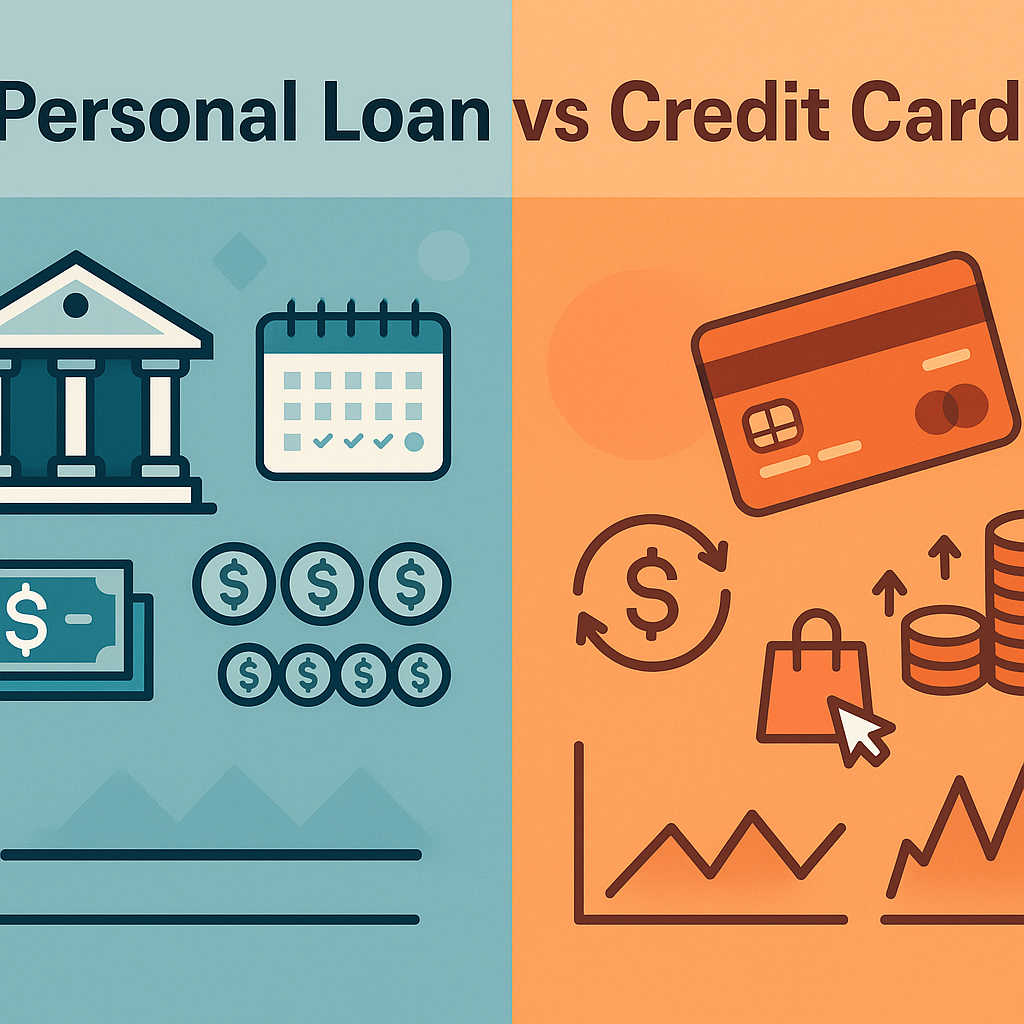
Personal Loan vs Credit Card in BNP Paribas
Personal Loan vs Credit Card — BNP Paribas
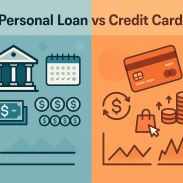
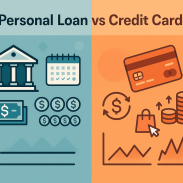
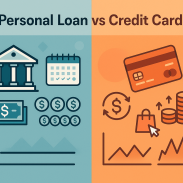
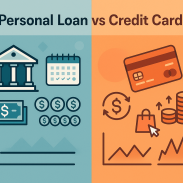
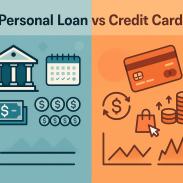
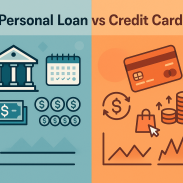
Choosing between a personal loan and a credit card is an important decision that affects cost, flexibility, and financial planning. BNP Paribas offers both financing options to meet different customer needs. This comparison outlines how each product works, when one may be preferable to the other, and practical guidance for borrowers considering BNP Paribas as their financial partner.
Overview of Products
A personal loan from BNP Paribas is an instalment loan: you borrow a fixed amount and repay it in regular monthly payments over a predetermined term. It is typically used for planned expenses such as home improvements, purchasing a vehicle, consolidating debt, or financing education.
A BNP Paribas credit card provides a revolving line of credit that you can use repeatedly up to an approved limit. It is designed for day-to-day purchases, travel, online shopping and short-term financing. Depending on the card type, you may have benefits such as rewards, insurance coverages, and optional revolving financing.
Key Differences
- Structure: Personal loans are fixed-term and fixed-installment; credit cards offer a revolving balance with minimum monthly payments.
- Interest calculation: Personal loans usually charge interest on the entire amount at a fixed or variable rate for the loan term. Credit card interest accrues on outstanding balances and can be higher for unpaid revolved balances.
- Cost predictability: Personal loans provide predictable monthly payments and a clear payoff date. Credit cards are less predictable when balances are carried over month-to-month, which can increase total cost due to compound interest.
- Flexibility: Credit cards are more flexible for everyday spending and emergencies. Personal loans are better for singular, defined expenses.
- Borrowing limits: Personal loans are for a specific principal amount determined at approval. Credit limits vary and can be adjusted by the bank over time.
- Collateral and purpose: BNP Paribas personal loans are usually unsecured but can be structured against collateral for larger amounts. Credit cards are unsecured lines of credit.
When to Choose a BNP Paribas Personal Loan
- If you need a lump sum for a major purchase or consolidated debt, a personal loan typically offers lower interest rates than carrying a credit card balance.
- When you want predictable monthly payments and a defined repayment schedule to manage budgeting.
- If the project or expense has a fixed cost (e.g., car purchase, home renovation, wedding), a personal loan aligns well with one-time funding needs.
- If you prefer to avoid the temptation to re-borrow on a revolving credit line while repaying a balance.
When to Choose a BNP Paribas Credit Card
- For everyday purchases, travel booking, and short-term financing where you expect to pay off balances quickly and benefit from card features.
- If you value flexibility and convenience, as credit cards allow repeated use up to the approved limit without reapplying.
- When card benefits like rewards, travel insurance, purchase protection, or concierge services are important to you.
- For emergency liquidity where immediate access to funds matters more than long-term cost efficiency.
Costs and Fees
Both BNP Paribas personal loans and credit cards may include fees and charges. Personal loans commonly involve an origination fee, early repayment terms, and sometimes administrative charges. Credit cards can have annual fees, late payment fees, cash advance fees, and higher interest for revolving balances. Always review the product terms and the cost of carrying an unpaid balance over time.
Repayment and Impact on Credit
Responsible use of either product can support a healthy credit history. Timely monthly repayments on a personal loan demonstrate reliable installment repayment behavior. For credit cards, keeping utilization low relative to the credit limit and making payments on time positively influence credit scores. Conversely, missed payments or high utilization can negatively affect credit reports and increase borrowing costs.
Eligibility and Documentation
Eligibility criteria at BNP Paribas generally consider factors such as residency, age, employment status, income level, existing debt obligations, and credit history. Required documentation typically includes proof of identity, proof of income, and residency documentation. The exact requirements vary by jurisdiction and the specific product chosen.
Application Process
- Assess your financing need and decide whether a lump-sum personal loan or a revolving credit card better suits your objectives.
- Prepare documentation such as identification, proof of income, and any collateral information if relevant.
- Complete the application for the chosen BNP Paribas product and review terms including interest rates, fees, and repayment obligations.
- On approval, sign the agreement and follow the bank’s disbursement or card activation procedures.
- Manage repayments according to the agreed schedule and use online banking tools for monitoring and payments.
Practical Tips
- Compare total cost: calculate the total repayment amount for a personal loan and compare that to projected costs of carrying a balance on a credit card.
- Match financing to purpose: use personal loans for planned, larger expenses and credit cards for flexible, recurring purchases.
- Maintain an emergency reserve: avoid relying solely on credit for emergencies to prevent expensive long-term debt.
- Use card benefits wisely: choose a card whose rewards and protections align with your spending habits, but don’t overspend to chase rewards.
- Monitor credit utilization: keep credit card balances well below limits to support a good credit score and avoid high interest charges.
Summary
BNP Paribas offers both personal loans and credit cards to meet different financial needs. A personal loan provides stable, predictable, lump-sum financing suitable for defined projects and debt consolidation, while a credit card delivers flexibility and convenience for everyday spending and short-term needs. Choosing the right product depends on your financial goals, repayment capacity, and preference for predictability versus flexibility. Careful comparison of costs, features and repayment terms will help you make an informed decision and use credit responsibly.
Frequently Asked Questions
Can I refinance credit card debt with a personal loan? Yes, consolidating high-interest credit card balances into a personal loan can reduce monthly costs and provide a clear repayment timetable.
Is a credit card better for travel? Credit cards often come with travel-related benefits and protections; choose a card whose features match your travel needs.
Will applying for both products affect my credit score? Each application may trigger a credit inquiry; multiple recent applications can have a temporary impact. Responsible use and timely payments will support long-term credit health.
Address Bank: 20 Boulevard des Italiens Paris, France
Bank: BNP Paribas
Headquarters: New York City
Products: Personal Loans
Type: Personal Loan V Credit Card



Banks2go — A Comprehensive Marketplace for Financial and Insurance Services
Banks2go is a user-friendly marketplace that helps you discover, compare, and apply for banking and insurance products in one place. Whether you’re building credit, opening a business account, or shopping for auto insurance, Banks2go brings together transparent information, smart tools, and trusted partners to make selection simple and fast.
Banking Products
Credit Cards- Compare a wide range of cards across APRs, intro 0% APR periods, rewards structures (cash back, travel miles, transferable points), welcome bonuses, balance transfer terms, foreign transaction fees, and penalty rates.
- Filter by your goals—everyday cash back, premium travel, no-annual-fee, balance transfer, or credit building—and see estimated value based on your spending profile.
- Get instant prequalification checks with no impact to your credit score, complete secure online applications in minutes, and track application status in real time.
- See key terms clearly explained: grace periods, minimum payments, credit limits, authorized user rules, and redemption options (statement credit, travel portals, partner transfers).
- Access educational guidance on responsible credit use, utilization ratios, and how on-time payments can strengthen your credit over time.
- Compare business accounts side-by-side on monthly maintenance fees, minimum balance requirements, included free transactions, ACH and wire pricing, cash deposit limits, ATM access, and treasury features.
- Explore value-added services like merchant processing, virtual cards, integrated invoicing, and expense management.
- Onboard quickly online for LLCs, corporations, and sole proprietors with clear documentation checklists and guided KYC/AML steps.
- Connect your account to popular accounting and finance tools (e.g., QuickBooks, Xero) for streamlined reconciliation, payroll, and tax prep.
- View specialized options for startups, freelancers, and nonprofits, including accounts with no or low fees and scalable limits as your business grows.
- Find student-friendly cards with no or low annual fees, simple rewards, spending controls, and features designed to build credit responsibly.
- Get clear eligibility guidance for both domestic and international students, including SSN/ITIN requirements and income verification tips.
- Learn about security deposits for secured cards, credit limit increases with good behavior, and tools that help track spending and avoid late fees.
- Access resources on establishing credit from scratch, protecting your score, and using student benefits like streaming or transit rewards.
Insurance
Auto Insurance- Compare quotes from top-rated national and regional carriers across states, with coverage options that include liability, collision, comprehensive, uninsured/underinsured motorist, roadside assistance, and rental reimbursement.
- Customize deductibles and limits and see how changes affect your monthly premium in real time.
- Explore common discounts—safe driver, multi-policy, good student, usage-based/telematics, multi-vehicle—and understand eligibility criteria.
- Bind e-policies in minutes with digital ID cards and flexible payment options (monthly, quarterly, semi-annual).
- Access plain-English explanations of state minimums, gap insurance for financed vehicles, and when it makes sense to add or drop coverage types.
Easy Selection
Smart Filtering and Personalization- Use dynamic filters and guided questionnaires to surface recommendations based on your financial profile, risk tolerance, and specific goals (e.g., pay down debt, earn travel rewards, reduce fees).
- Compare key terms side-by-side—rates, fees, limits, perks, coverage details, and exclusions—so trade-offs are obvious and transparent.
- Read concise summaries and detailed breakdowns in plain English, with highlight callouts for gotchas like deferred interest, balance transfer fees, or coverage gaps.
Wide Catalog
Broad, Up-to-Date Network- Access a wide network of U.S. banks, credit unions, fintechs, and national insurers—all in one place—so you don’t need to visit branches or spend hours on phone calls.
- See current promotions, limited-time offers, and partner deals aggregated and refreshed regularly, with clear eligibility and expiration details.
- Benefit from standardized comparisons that make complex products easy to understand and evaluate.
Why Banks2go
- Speed and Transparency: From prequalification to application and policy binding, steps are consolidated and clearly explained.
- Education Built In: Bite-sized guides and checklists help you make confident decisions without financial jargon.
- Secure and Privacy-Conscious: Application flows follow industry-standard security protocols, and prequalification tools avoid hard credit pulls unless you opt to apply.
Choose what you need
 More than
50000
services
 Convenient search
 The most beautiful site
 The site works 24/7