Personal Loan V Credit Card Busey Bank in USA
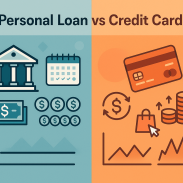
Personal Loan vs Credit Card
Choosing between a personal loan and a credit card can shape your financial path. Both give access to credit, but they serve different purposes, costs and repayment styles. This guide helps you quickly compare the two, understand when to use each, and pick the product that fits your situation.
At a glance
Personal loans provide a lump-sum amount repaid in fixed monthly installments over a defined term. Credit cards offer revolving credit you can use repeatedly, paying back either in full or via minimum payments each month. Knowing these core differences helps you control cost, payoff speed, and cash flow.
Key differences
- Structure: Personal loan — fixed principal, fixed term. Credit card — revolving line of credit with variable balance.
- Interest rates: Personal loans often have lower, fixed rates for borrowers with good credit. Credit cards commonly carry higher variable APRs, though promotional 0% offers are sometimes available.
- Repayment predictability: Personal loans mean predictable monthly payments. Credit card payments can fluctuate and may incur interest if balances carry over.
- Best uses: Personal loans suit large one-time expenses (debt consolidation, home improvements, medical bills). Credit cards are ideal for everyday purchases, short-term financing, and rewards/consumer protections.
- Fees and penalties: Both can have origination, annual, late-payment, or balance-transfer fees — read the fine print.
When to choose a personal loan
- You need a predictable payment schedule to budget over 12–84 months.
- You’re consolidating high-interest debt and want a lower fixed rate.
- You have a large, one-time expense where interest savings matter.
- You prefer a fixed timeline to become debt-free.
When a credit card makes more sense
- You need ongoing flexible access to credit for everyday spending.
- You can pay balances in full each month to avoid interest and earn rewards.
- You want short-term financing or to take advantage of 0% introductory offers.
- You value purchase protections, travel benefits or cashback points that a card provides.
How to decide — practical tips
- Estimate total cost: compare APRs and fees for the period you’ll carry the debt.
- Match term to purpose: choose a loan for long-term plans, a card for short-term flexibility.
- Check your credit: better credit typically unlocks lower loan rates and premium card offers.
- Factor in protections and rewards: sometimes benefits outweigh a slightly higher cost.
Final thought
Both personal loans and credit cards are powerful tools when used intentionally. If you want stability and a clear payoff date, a personal loan is often the smarter choice. If you need flexibility, rewards or short-term interest-free financing, a credit card may be better. Browse our catalog to compare rates, terms and features side-by-side and find the option that fits your financial goals.