Payday Loan Alternative EverBank in USA
Payday Loan Alternative
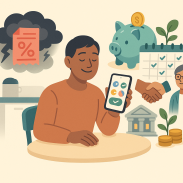
When an unexpected expense appears — a car repair, a medical bill, or a shortfall before payday — the urge to take a fast payday loan can feel irresistible. Payday loans promise speed and convenience, but they often come with extremely high fees and interest rates that can trap borrowers in cycles of debt. This catalog section, "Payday Loan Alternative," is dedicated to practical, safer, and more sustainable ways to meet short-term cash needs without resorting to predatory lending. Below you will find a clear overview of alternatives, how to evaluate them, and practical steps to protect your financial health.
Why consider alternatives to payday loans?
Payday loans often charge annual percentage rates (APRs) that translate into costs far greater than other lending options. Beyond price, they can carry aggressive collection practices and rollovers that increase total repayment. By contrast, alternatives aim to reduce cost, provide clearer terms, and offer flexibility. Choosing the right option lowers the chance of long-term financial harm and helps build a stronger credit profile.
Types of payday loan alternatives
The best alternative depends on your situation: how quickly you need funds, your credit history, and the amount required. Here are common and effective options:
- Personal installment loans: Typically offered by banks, credit unions, and reputable online lenders, these loans are repaid in fixed monthly installments. Interest rates and terms vary, but installment loans are usually much cheaper than payday loans and allow predictable budgeting.
- Credit union small dollar loans: Credit unions often offer low-cost emergency loans to members. Membership requirements are usually modest, and rates are generally fair. Credit unions emphasize member service and financial education.
- Overdraft protection and lines of credit: If you have a bank account, overdraft protection or a small personal line of credit can cover shortfalls at a lower cost than a payday loan. Understand the fees and repayment terms before using them.
- Credit cards or balance transfer offers: Using a credit card is convenient and can be inexpensive if you can pay the balance quickly or take advantage of a 0% introductory balance transfer. However, beware of high interest rates if the balance remains unpaid.
- Peer-to-peer lending: Online platforms can connect borrowers with individual investors. Rates depend on creditworthiness but can be competitive. These platforms often provide clearer terms and longer repayment periods.
- Employer paycheck advances or salary on demand: Some employers or payroll services offer small advances on earned wages with low or no fees. Check if your employer provides this option before seeking external alternatives.
- Community assistance and nonprofit programs: Local charities, churches, and community organizations sometimes offer emergency grants or interest-free loans for rent, utilities, or medical needs. These programs are often underused — contact community resource centers or 2-1-1 services.
- P2P or family and friends: Borrowing from people you know can be inexpensive or free. If you choose this route, set clear terms in writing to avoid misunderstandings and strained relationships.
- Buy-now-pay-later (BNPL) and installment payment plans: For retail purchases, BNPL plans let you split the cost into installments. They can be convenient but check for deferred interest, late fees, or restrictions that could make them costly.
- Crowdfunding and community fundraising: For unexpected hardships like medical or disaster relief, crowdfunding platforms can help raise funds quickly. This approach depends on social networks and transparency about your need.
- Financial counseling and debt management: Nonprofit credit counselors offer budgeting help, emergency planning, and sometimes debt management plans that reduce monthly obligations and avoid predatory loans.
- Build or tap an emergency fund: Though not a short-term solution for an immediate crisis, creating a small emergency savings buffer is the most reliable long-term alternative and reduces future reliance on high-cost credit.
How to choose the right alternative
Consider these practical steps when deciding:
- Determine the amount you really need. Borrow only what is necessary to bridge the gap and repay comfortably.
- Compare total cost (APR, fees, penalties). Look beyond monthly payments — calculate the total repayment amount and the APR where possible.
- Check repayment flexibility. Favor options with clear terms and the possibility to repay early without penalties.
- Consider impact on credit score. Some alternatives can help build credit (installment loans, credit cards used responsibly), while payday loans generally do not improve credit and may lead to collections that harm your score.
- Evaluate speed vs. cost. Faster solutions often cost more. Balance urgency with financial sense — sometimes a slightly slower but cheaper option is best.
Red flags to avoid
Protect yourself by steering clear of lenders that:
- Require upfront fees to access funds.
- Offer guaranteed approval without checking income or identity.
- Push rollovers or automatic renewals that increase debt.
- Refuse to provide written terms, APR, or full repayment schedule.
- Use aggressive or illegal collection practices.
Practical tips to act now
If you need cash quickly, follow this checklist:
- Make a short budget: list essential bills and what can wait.
- Ask your employer about payroll advances or earned wage access.
- Call your utility or medical providers and request emergency payment arrangements or hardship plans.
- Check with your credit union or bank for small-dollar loans or overdraft options.
- Explore community resources and charities in your area for one-time assistance.
- If borrowing from a friend or family, write clear repayment terms to avoid conflict.
- Consider selling or pawning nonessential items as a last-resort short-term source of funds with limited long-term risk.
Longer-term strategies to avoid high-cost lending
Preventing future emergencies starts with planning:
- Build an emergency fund: even small, regular contributions create a buffer.
- Establish a monthly budget to control spending and prioritize savings.
- Improve credit score through timely payments and responsible credit use — better credit opens access to cheaper loans when needed.
- Understand insurance options (health, auto, renter’s) that reduce the financial shock of unexpected events.
- Use financial education resources and credit counseling to create a resilient plan tailored to your circumstances.
Conclusion
Payday loans are appealing because of their speed and perceived simplicity, but their costs and risks make them a poor long-term solution. This "Payday Loan Alternative" section is designed to help you find lower-cost, transparent, and sustainable ways to manage short-term cash needs while protecting your financial future. Whether you pick a low-rate installment loan, a credit-union alternative, a payroll advance, community assistance, or a carefully managed credit card strategy, prioritize clarity, affordability, and realistic repayment plans.