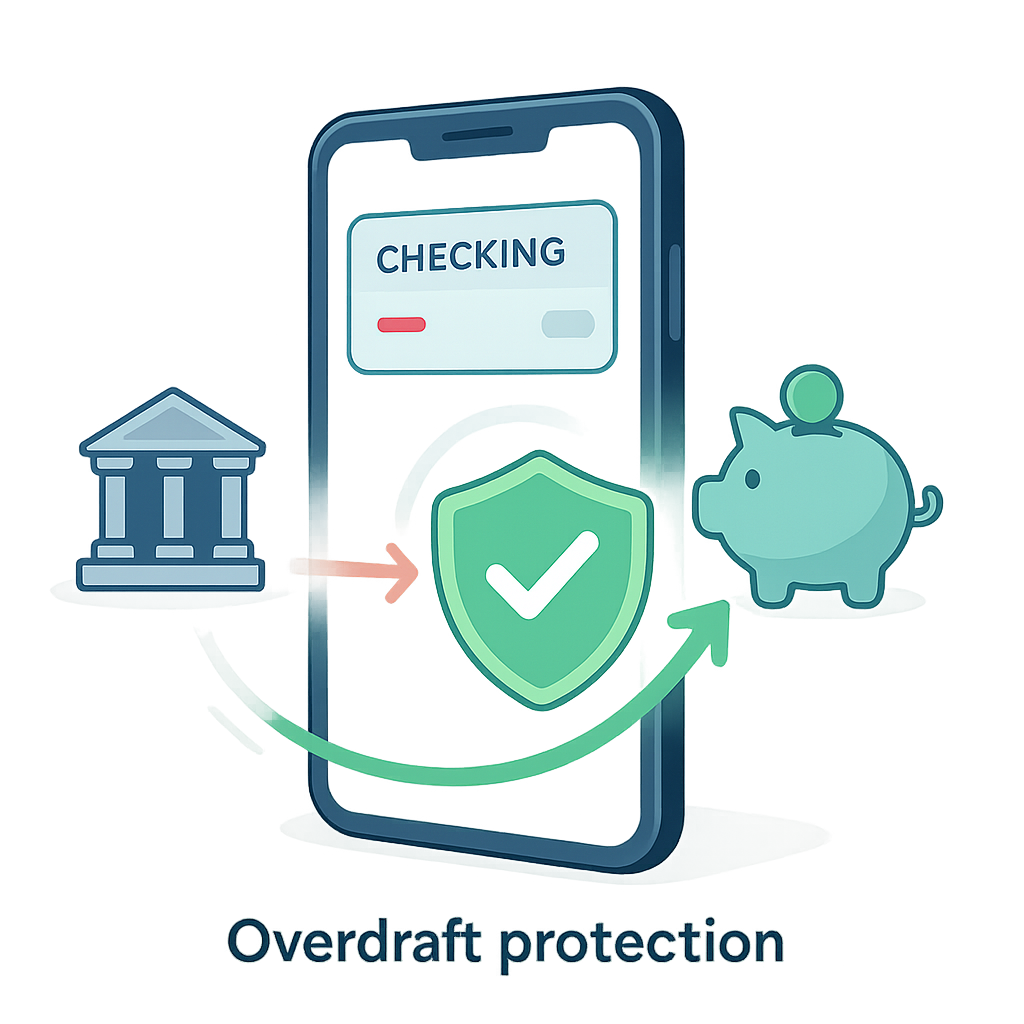
Overdraft Protection in JPMorgan Chase
Overdraft Protection at JPMorgan Chase
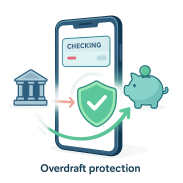
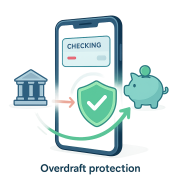
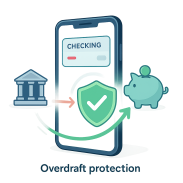
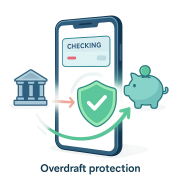
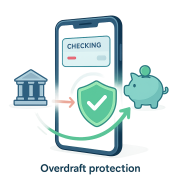
Overdraft Protection at JPMorgan Chase is a suite of services designed to help customers manage occasional shortfalls in their checking accounts and avoid declined payments or returned items. These protection options provide different ways to cover transactions when the available balance is insufficient, helping to preserve your payment reputation and reduce the inconvenience and potential embarrassment of declined purchases or unpaid bills. The program is tailored to fit different banking habits and account structures, offering automated coverage, flexible linkage to other accounts, and features intended to minimize the operational disruption caused by an overdraft.
Core Options and How They Work
Chase offers several pathways to handle overdrafts, each with distinct mechanics and criteria for eligibility. Understanding how these options operate can help you choose the combination that best suits your cash flow patterns.
- Linked account transfers: You can link an eligible Chase savings account or another qualifying deposit account to your checking account. When a transaction would overdraw the checking account, Chase may automatically transfer funds from the linked account to cover the shortfall. This transfer is typically processed immediately to cover the transaction and can help avoid returned items.
- Overdraft protection lines of credit: Eligible customers may have access to a short-term line of credit tied to their checking account. If a transaction would create an overdraft, the bank can draw from this line of credit to cover the amount. This option functions like a loan and will accrue interest and expect repayment according to the line’s terms.
- Standard overdraft practices: When an account does not have a linked account or line of credit, Chase’s standard overdraft process may apply. For certain transactions, the bank may authorize and pay items despite insufficient funds (subject to account eligibility, account standing, and other criteria), which could result in overdraft fees. Some transactions, such as ATM withdrawals or everyday debit card purchases, may be treated differently depending on your chosen overdraft preferences.
Enrollment and Preferences
Enrollment options let you customize how overdrafts are handled. You can opt into or out of certain services, such as allowing the bank to cover everyday debit card and ATM transactions when your balance is insufficient. Choosing protection by linking a savings account or opening an overdraft line of credit typically requires specific enrollment steps and acceptance of terms that outline transfer timing, repayment expectations, and any applicable charges or interest.
It is important to review your account disclosures and make purposeful selections based on your preferences. Some customers prefer automatic transfers from savings to avoid the administrative burden and potential fees associated with individual overdrafts. Others may prefer to handle overdrafts manually or to limit automatic coverage to prevent use of a line of credit or depletion of emergency savings.
Timing, Processing, and Prioritization
Chase’s processing order and timing can affect how and when overdrafts occur. Deposits, pending transactions, and posted items are handled according to the bank’s funds availability policy and internal posting procedures. When multiple items present on the same day, the order in which they post may influence whether an overdraft protection measure is triggered. Linked account transfers and advances from an overdraft line of credit are typically processed immediately to cover eligible items, but the exact timing depends on system processing and bank cutoffs.
Costs and Considerations
Overdraft protection reduces the risk of declined payments, but it may involve costs. Linked transfers, overdraft advances, or lines of credit can incur fees, interest, or transfer charges depending on the specific products and your account terms. The bank’s posted fee schedule and account agreement explain any per-item charges, daily limits, or interest rates applicable to protection services. Customers should carefully weigh the convenience of protection against potential costs and consider alternatives such as maintaining a buffer balance or setting up alerts and budgeting tools.
Benefits and Drawbacks
-
Benefits:
- Helps ensure important payments clear and reduces the chance of returned items.
- Offers flexible options—linking savings, using a line of credit, or selective coverage choices.
- Can protect credit and vendor relationships by avoiding missed payments.
-
Drawbacks:
- Possible fees or interest charges associated with covering overdrafts.
- Automatic transfers may deplete savings if not monitored.
- Bank processing practices and posting order can influence outcomes unpredictably.
Managing Overdraft Risk
Effective management can minimize reliance on overdraft protection. Recommended practices include maintaining a cushion in your checking account, linking a dedicated savings buffer, setting up low-balance alerts, scheduling bill payments when funds are available, and reviewing account activity regularly. If you occasionally need more flexibility, consider discussing a formal overdraft line of credit with a banking representative to understand costs and repayment terms.
Eligibility and Account Types
Not all accounts or customers are automatically eligible for every form of overdraft protection. Eligibility may depend on account standing, deposit history, creditworthiness (for lines of credit), and bank policy. Chase provides details in its account disclosures and will explain which protection combinations are available for a given checking product.
Concluding Summary
Overdraft Protection at JPMorgan Chase offers a range of practical tools to help customers avoid declined transactions and returned items. By selecting the right mix of linked accounts, credit options, and enrollment preferences, you can create a safety net that suits your financial habits. However, be mindful of costs, monitor account activity, and use protection options in a way that complements a disciplined budgeting approach. Reviewing the account agreement and discussing available features with a bank representative can help you make an informed choice that balances convenience, cost, and peace of mind.
Address Bank: 270 Park Avenue, New York City, United States
Bank: JPMorgan Chase
Headquarters: New York City
Products: Protection & Services
Type: Overdraft Protection



Banks2go — A Comprehensive Marketplace for Financial and Insurance Services
Banks2go is a user-friendly marketplace that helps you discover, compare, and apply for banking and insurance products in one place. Whether you’re building credit, opening a business account, or shopping for auto insurance, Banks2go brings together transparent information, smart tools, and trusted partners to make selection simple and fast.
Banking Products
Credit Cards- Compare a wide range of cards across APRs, intro 0% APR periods, rewards structures (cash back, travel miles, transferable points), welcome bonuses, balance transfer terms, foreign transaction fees, and penalty rates.
- Filter by your goals—everyday cash back, premium travel, no-annual-fee, balance transfer, or credit building—and see estimated value based on your spending profile.
- Get instant prequalification checks with no impact to your credit score, complete secure online applications in minutes, and track application status in real time.
- See key terms clearly explained: grace periods, minimum payments, credit limits, authorized user rules, and redemption options (statement credit, travel portals, partner transfers).
- Access educational guidance on responsible credit use, utilization ratios, and how on-time payments can strengthen your credit over time.
- Compare business accounts side-by-side on monthly maintenance fees, minimum balance requirements, included free transactions, ACH and wire pricing, cash deposit limits, ATM access, and treasury features.
- Explore value-added services like merchant processing, virtual cards, integrated invoicing, and expense management.
- Onboard quickly online for LLCs, corporations, and sole proprietors with clear documentation checklists and guided KYC/AML steps.
- Connect your account to popular accounting and finance tools (e.g., QuickBooks, Xero) for streamlined reconciliation, payroll, and tax prep.
- View specialized options for startups, freelancers, and nonprofits, including accounts with no or low fees and scalable limits as your business grows.
- Find student-friendly cards with no or low annual fees, simple rewards, spending controls, and features designed to build credit responsibly.
- Get clear eligibility guidance for both domestic and international students, including SSN/ITIN requirements and income verification tips.
- Learn about security deposits for secured cards, credit limit increases with good behavior, and tools that help track spending and avoid late fees.
- Access resources on establishing credit from scratch, protecting your score, and using student benefits like streaming or transit rewards.
Insurance
Auto Insurance- Compare quotes from top-rated national and regional carriers across states, with coverage options that include liability, collision, comprehensive, uninsured/underinsured motorist, roadside assistance, and rental reimbursement.
- Customize deductibles and limits and see how changes affect your monthly premium in real time.
- Explore common discounts—safe driver, multi-policy, good student, usage-based/telematics, multi-vehicle—and understand eligibility criteria.
- Bind e-policies in minutes with digital ID cards and flexible payment options (monthly, quarterly, semi-annual).
- Access plain-English explanations of state minimums, gap insurance for financed vehicles, and when it makes sense to add or drop coverage types.
Easy Selection
Smart Filtering and Personalization- Use dynamic filters and guided questionnaires to surface recommendations based on your financial profile, risk tolerance, and specific goals (e.g., pay down debt, earn travel rewards, reduce fees).
- Compare key terms side-by-side—rates, fees, limits, perks, coverage details, and exclusions—so trade-offs are obvious and transparent.
- Read concise summaries and detailed breakdowns in plain English, with highlight callouts for gotchas like deferred interest, balance transfer fees, or coverage gaps.
Wide Catalog
Broad, Up-to-Date Network- Access a wide network of U.S. banks, credit unions, fintechs, and national insurers—all in one place—so you don’t need to visit branches or spend hours on phone calls.
- See current promotions, limited-time offers, and partner deals aggregated and refreshed regularly, with clear eligibility and expiration details.
- Benefit from standardized comparisons that make complex products easy to understand and evaluate.
Why Banks2go
- Speed and Transparency: From prequalification to application and policy binding, steps are consolidated and clearly explained.
- Education Built In: Bite-sized guides and checklists help you make confident decisions without financial jargon.
- Secure and Privacy-Conscious: Application flows follow industry-standard security protocols, and prequalification tools avoid hard credit pulls unless you opt to apply.
Choose what you need
 More than
50000
services
 Convenient search
 The most beautiful site
 The site works 24/7