Overdraft Protection Charles Schwab Corporation in USA
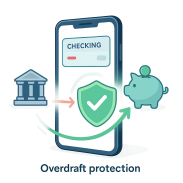
Overdraft Protection — Smart, Simple Backup for Everyday Spending
Overdraft protection is a practical financial safeguard that helps customers avoid declined transactions and costly non-sufficient-funds (NSF) fees by automatically covering withdrawals, debit card purchases, checks, and recurring payments when an account balance is insufficient. This section of our catalog introduces the different types of overdraft solutions, explains how they work, highlights benefits and potential costs, and offers guidance to help you choose the option that best fits your needs.
Why Overdraft Protection Matters
Modern life often involves tight timing between incoming deposits and outgoing payments. A single unexpected charge — a prescription refill, a recurring subscription, or an automatic bill payment — can leave a primary checking account temporarily short. Overdraft protection is designed to bridge that gap: it increases payment certainty, prevents embarrassing declined transactions, and can save you money by avoiding multiple NSF fees or returned payment penalties from merchants.
Common Types of Overdraft Protection
Financial institutions typically offer several approaches to overdraft coverage. Each option has distinct features and fee structures:
- Linked Savings Account — Transfers funds from a linked savings account when your checking account balance dips below zero. This method is straightforward, typically incurs minimal fees, and preserves the relationship between your accounts.
- Line of Credit (Overdraft Line) — A pre-approved credit line attached to your checking account that pays transactions up to an approved limit. Interest or a per-use fee may apply, but it often provides the most flexibility and predictable costs compared with routine overdraft fees.
- Debit Card Overdraft (Courtesy Pay) — The bank authorizes and pays transactions that exceed your balance, often subject to per-transaction fees or daily caps. This service can be automatic or opt-in, depending on the institution.
- Small-Dollar Loan — Short-term, small loans that cover an overdraft and are repaid quickly. These can avoid multiple NSF fees but may carry interest or fees tailored to short durations.
- Automatic Transfers — Customizable rules that trigger transfers from another deposit account or external source to cover shortfalls based on thresholds you set.
How Overdraft Protection Works — Step by Step
- Enroll or opt into the chosen overdraft product through your bank, credit union, or service provider.
- When a withdrawal or payment posts and your available balance is insufficient, the overdraft mechanism evaluates available backup sources (linked account, line of credit, etc.).
- If coverage is available and within limits, funds are transferred or advanced to complete the transaction and prevent decline or returned payment.
- Fees or interest are applied according to the terms — some arrangements charge a flat per-transaction fee, others use interest on borrowed amounts, and some charge a monthly maintenance fee for the service.
- You repay the overdraft advance or restore your balance through deposits, scheduled transfers, or automatic repayment plans depending on your product.
Benefits at a Glance
- Convenience: Avoid declined transactions, returned checks, and interrupted services.
- Cost Savings: Prevent multiple NSF or merchant fees that can add up quickly when payments are returned.
- Financial Flexibility: Short-term coverage helps manage cash-flow timing issues without resorting to high-cost alternatives like payday loans.
- Reputation Protection: Keep recurring payments — rent, utilities, subscriptions — from being interrupted, preserving relationships with landlords and service providers.
- Customizable Options: Choose the model that matches your financial habits — fee-based, interest-bearing, or automatic transfers for conservative management.
Costs and Things to Consider
No overdraft solution is without trade-offs. Understanding fees, interest, and provider policies is essential to avoid surprises:
- Per-Transaction Fees: Some plans charge a fixed fee for each overdraft occurrence. If multiple transactions post in one day, fees can accumulate quickly.
- Interest Charges: Overdraft lines of credit typically accrue interest on borrowed amounts until repaid. Compare APRs and compounding rules.
- Daily or Monthly Caps: Many banks cap the number of overdraft fees charged per day or have monthly maximums — review these limits before relying on the service.
- Opt-In vs. Automatic: Consumer protection regulations in many countries require opt-in for debit card overdraft authorization. You can often choose whether to enroll for debit card coverage or rely solely on linked account transfers.
- Repayment Expectations: Know how quickly the bank expects repayment and whether automatic replenishment is applied.
How to Choose the Right Overdraft Protection
Selecting the best overdraft product depends on your income cadence, typical monthly balance, and tolerance for fees or interest:
- Low-Frequency Shortfalls: If overdrafts are rare and brief, a linked savings transfer or optional courtesy pay may be sufficient and cost-effective.
- Predictable Cash-Flow Timing: If you have routine timing gaps (e.g., paychecks arrive after bills are due), an automated transfer or small overdraft line offers predictable coverage.
- Need for Larger, Unexpected Expenses: A line of credit or overdraft loan provides higher limits but requires careful interest comparison and discipline to repay.
- Price-Sensitive Consumers: Look for plans with low or no per-transaction fees, caps on charges, or low APR lines of credit.
Best Practices to Minimize Overdrafts
Overdraft protection is a safety net, not a substitute for good money management. To reduce reliance on overdrafts:
- Monitor your account balance regularly through mobile banking alerts and balance notifications.
- Set up minimum-balance alerts and automatic transfers from a savings account when balances fall below a threshold.
- Time bill payments to coincide with deposits, or speak with creditors about flexible due dates.
- Keep a small buffer in your checking account for unexpected charges and recurring holds (hotel deposits, gas authorizations, etc.).
- Review monthly statements to detect recurring subscriptions or charges that can be reduced or canceled.
Frequently Asked Questions
Will overdraft protection guarantee every transaction will go through?
Most overdraft products will cover eligible transactions up to the approved limit, but coverage is subject to the terms of your agreement. Some transactions (e.g., certain ATM withdrawals or international charges) can be excluded. Additionally, overdraft limits and bank policies can change, so it’s not an absolute guarantee.
How do fees compare between types of protection?
Linked account transfers are typically the least expensive option, often with a small flat fee or no fee. Lines of credit may charge interest, which can be lower overall for larger or longer advances. Courtesy pay or per-transaction fee models can be the costliest when multiple small transactions occur in a short time.
Can I opt out if I don’t want overdraft protection?
Yes. Most institutions allow you to opt in or out of overdraft services for debit card and ATM transactions. If you opt out, transactions that exceed your balance may be declined without fees, though returned checks and other items may still incur charges from vendors.
How to Enroll and Manage Your Coverage
Enrollment processes vary by provider but typically can be completed online, via mobile app, by phone, or in person. Consider these steps:
- Compare available overdraft products and read the fee schedule and terms.
- Decide whether you prefer a linked transfer, line of credit, or courtesy pay.
- Enroll and configure limits, alerts, and repayment options.
- Regularly review your account activity and update settings as your financial situation changes.
Choosing a Responsible Safety Net
Overdraft protection, when chosen and used responsibly, is a valuable tool for preventing payment disruptions and avoiding expensive returned-item fees. The right solution balances convenience and cost while fitting the rhythm of your cash flow. Use overdraft coverage as a temporary bridge rather than a long-term borrowing strategy, and combine it with proactive account monitoring and budgeting to maintain financial stability.